Nurturing Early Learners with Safe, Stimulating Care
Dedicated teachers, engaging daily routines, and a family-focused approach that supports every child's curiosity and growth.
Totz Daycare began as a family-fueled dream to combine safety with playful, purposeful learning. Founded by two early childhood educators, we prioritize warm relationships, consistent routines, and transparent communication with families. Our play-based curriculum nurtures curiosity, language development, and social-emotional growth while maintaining comfortable teacher-to-child ratios. Every day, children explore, create, and feel valued in a bright, secure environment designed to support their unique paths.
What We Offer
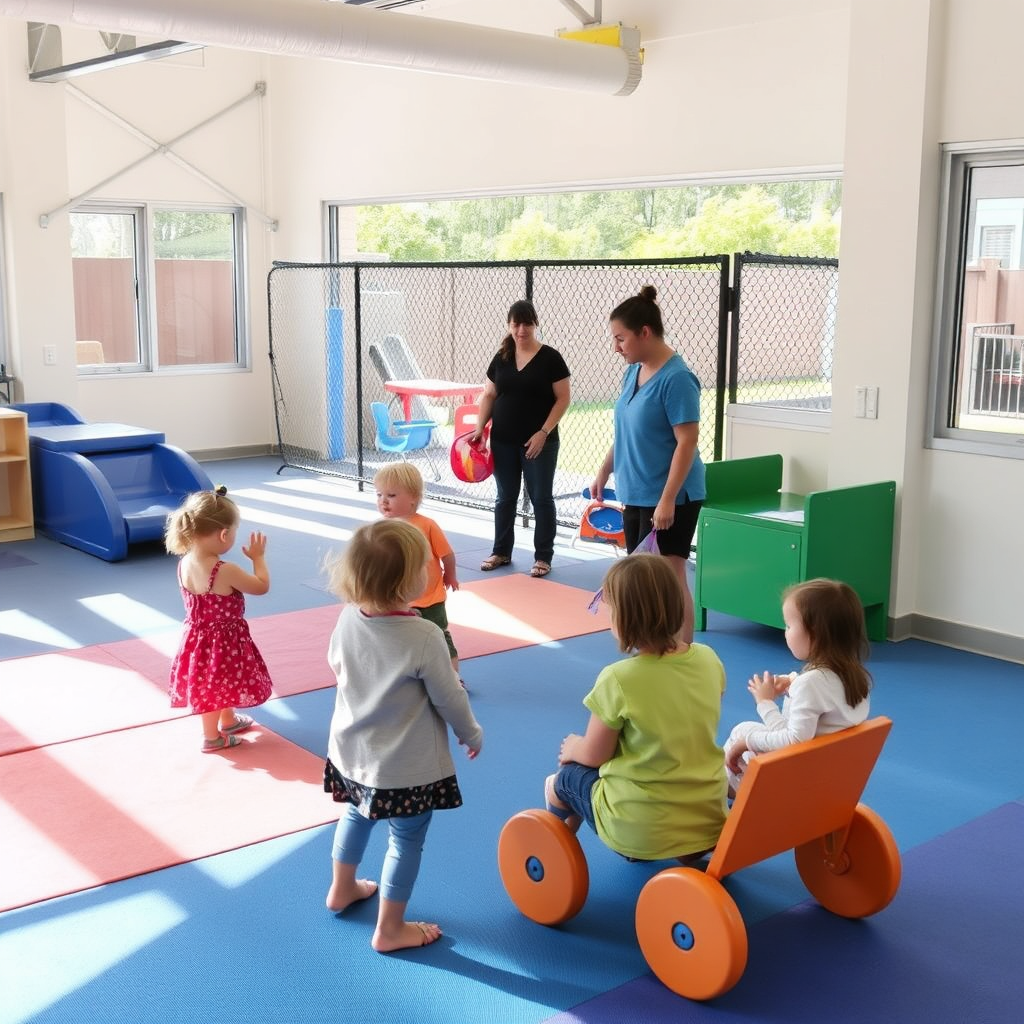
A warm, secure space with low child-to-teacher ratios, clean facilities, and compassionate caregivers dedicated to each child’s emotional and physical safety.
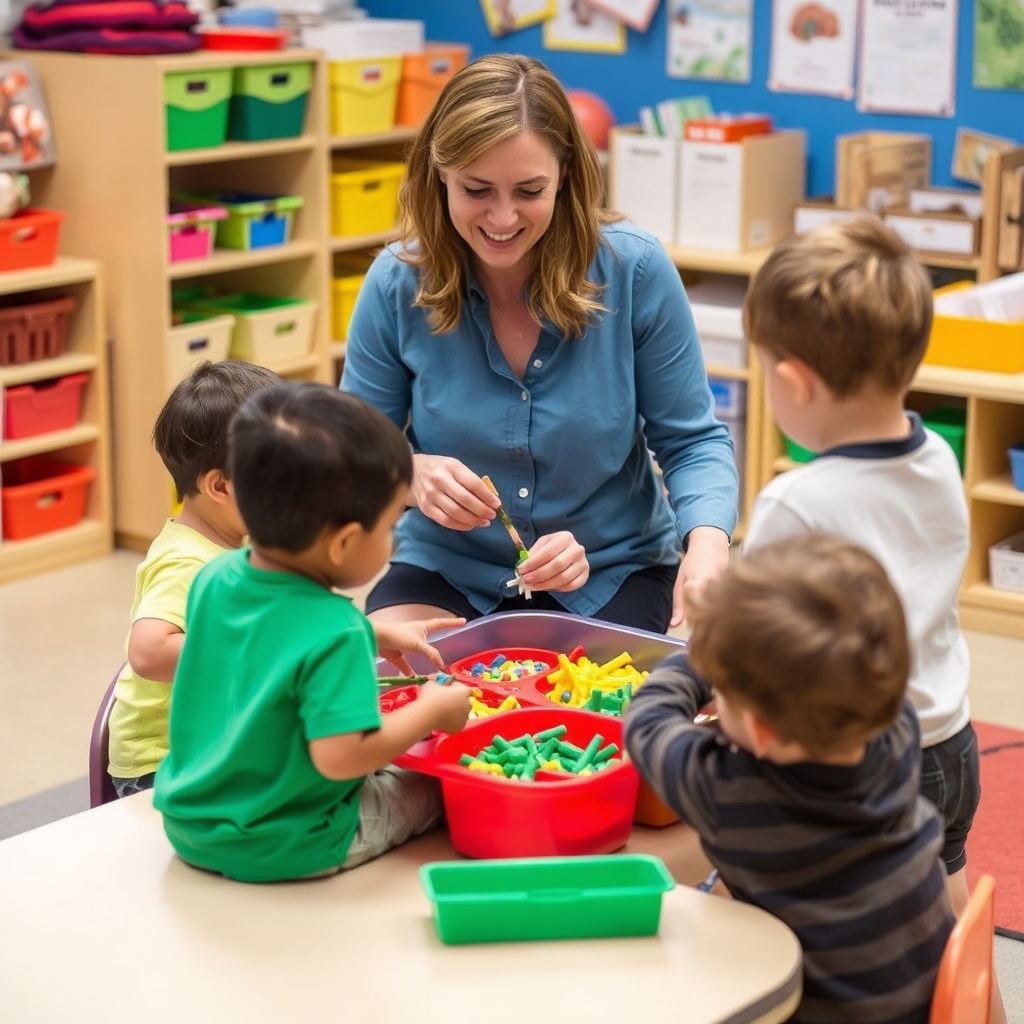
Structured play centers designed to foster creativity, language development, and early numeracy through engaging, hands-on activities.
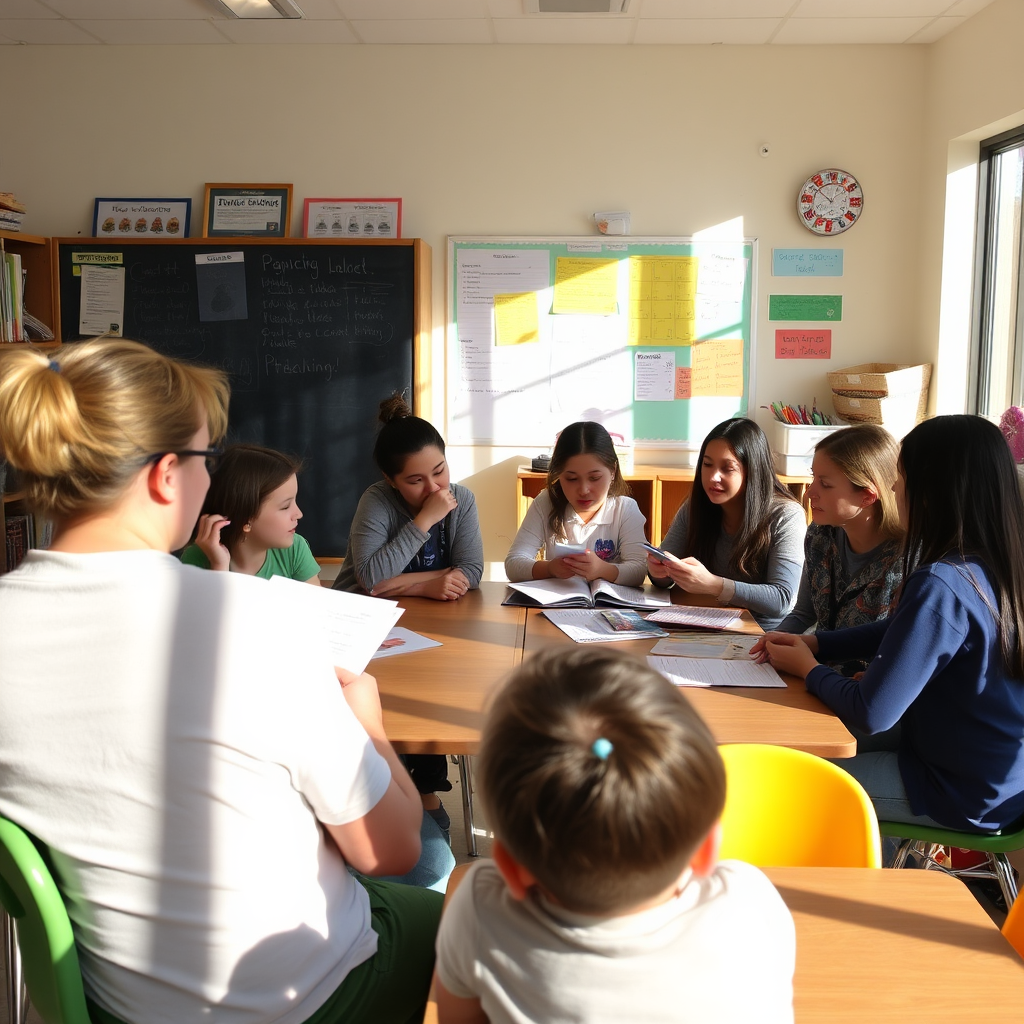
Ongoing communication, monthly progress updates, and collaborative planning to align daycare activities with home routines.
engaging topic-based title for Totz Daycare: Nurturing Environments for Early Learning
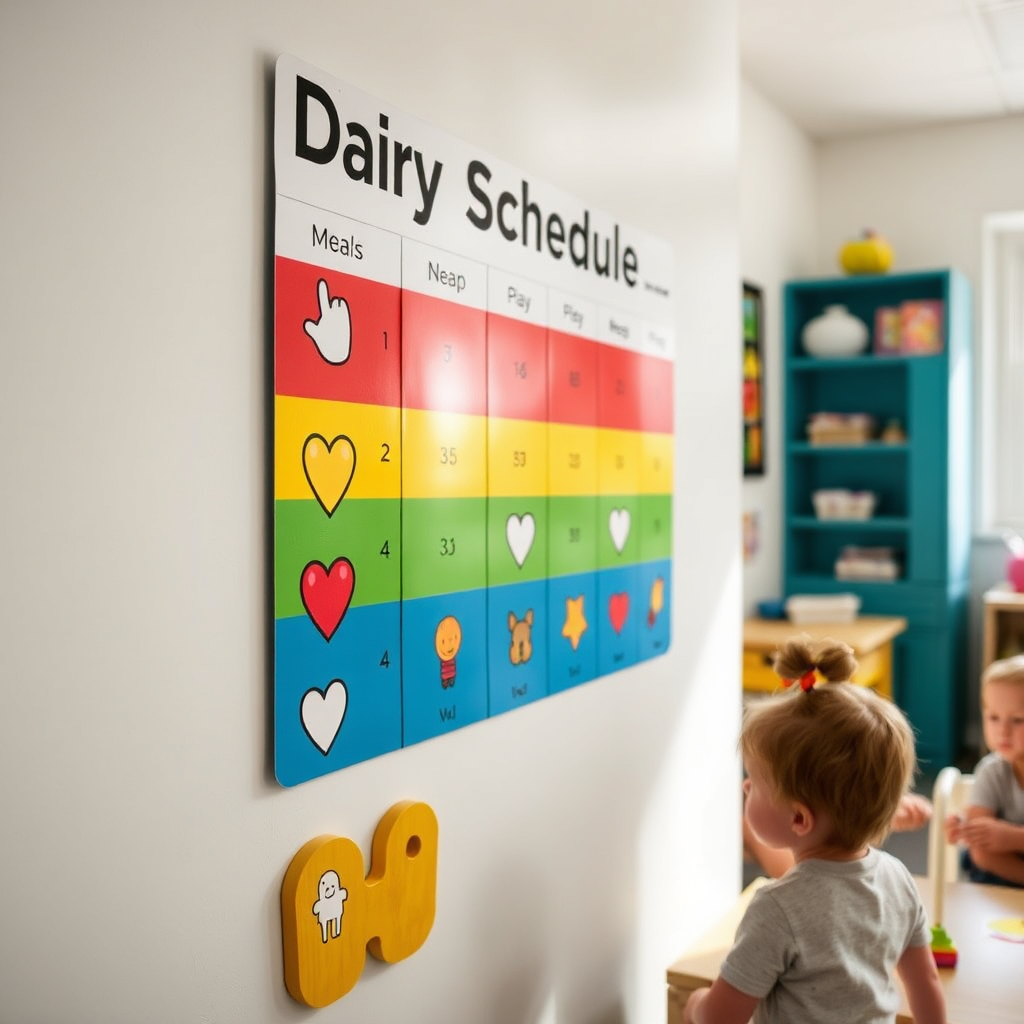
Build Consistent Daily Routines
Establish a predictable rhythm with regular meals, naps, and play times. Use simple visual schedules and gentle timers to support smooth transitions. Common mistakes include abrupt changes or long idle periods. Benefits: calmer classrooms, richer language interactions, and deeper engagement in center activities. Next steps: display schedules at child eye level and practice routines.
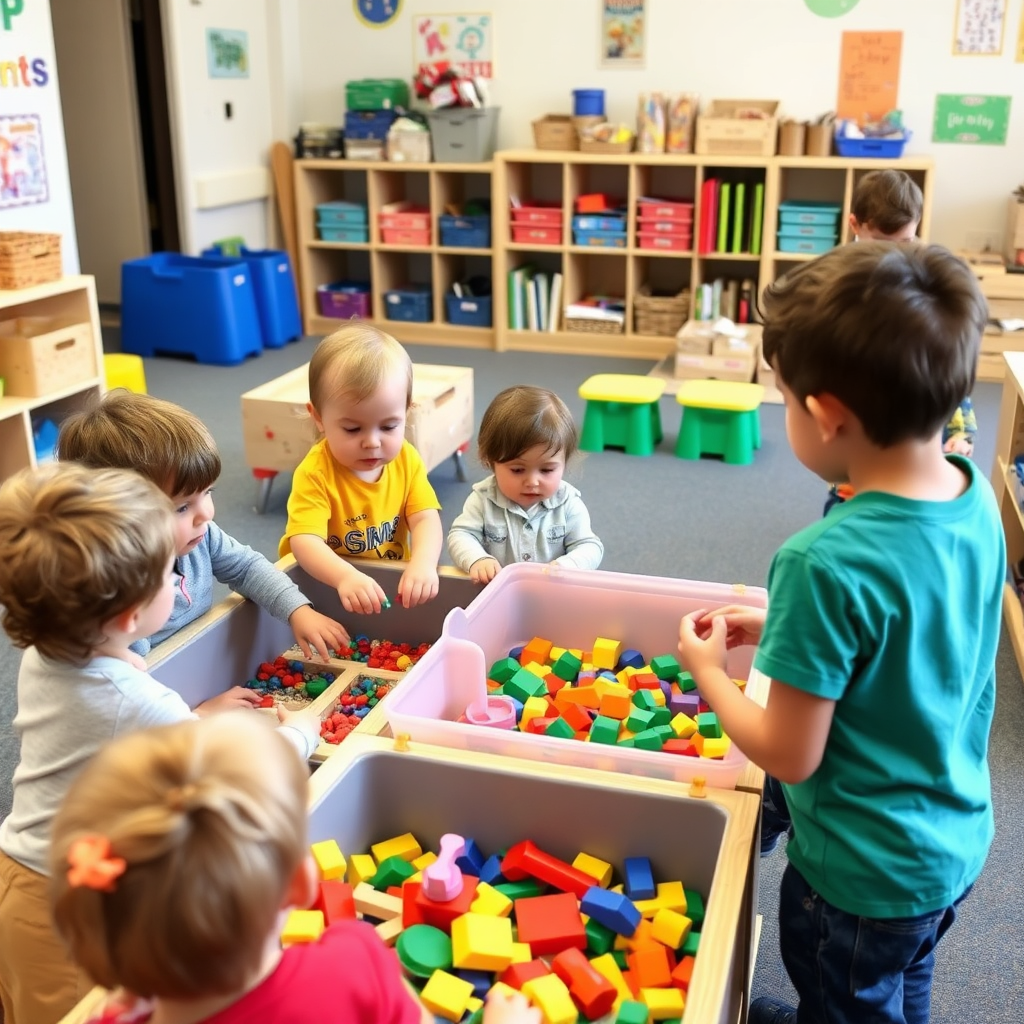
Encourage Hands-On Exploration
Offer age-appropriate open-ended materials that invite exploration and experimentation. Rotate centers weekly to sustain curiosity and prevent overwhelm. Avoid over-structuring activities; prompt children with open-ended questions to extend thinking. Benefits: enhanced problem-solving, vocabulary growth, and meaningful discovery across literacy and math. Next steps: stock diverse materials and track center use.

Nurture Social-Emotional Growth
Guide children through turn-taking, sharing, and emotion labeling during group activities. Model calm communication and provide opportunities for peer interaction. Monitor conflicts early and intervene with supportive language. Outcomes: stronger self-regulation, safer play, and a culture where every child feels valued. Next steps: implement small-group circles and emotion cards.
engaging topic-based title for Programs and Daily Schedule at Totz Daycare: Play, Learn, Grow
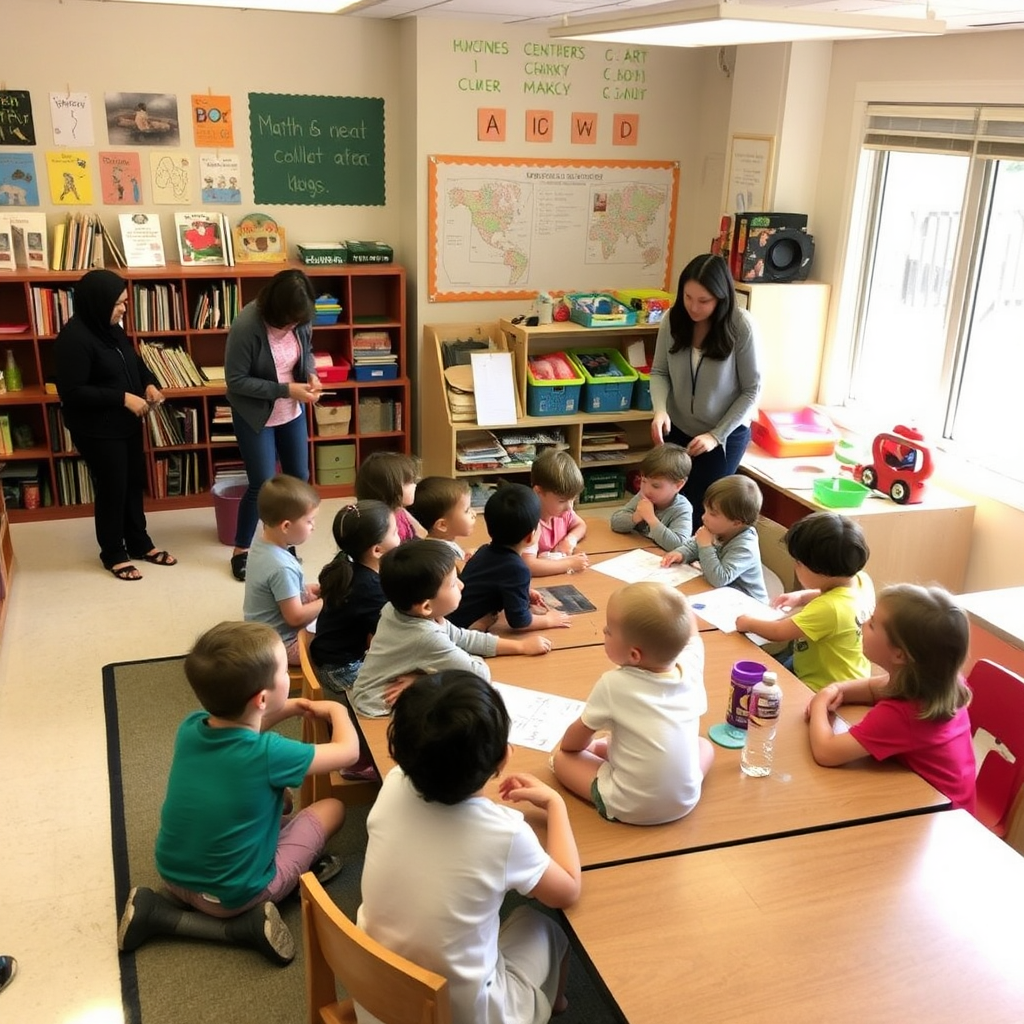
Balanced Play and Learning
Create a daily plan that blends child-led play with teacher-guided learning moments, ensuring exposure to literacy, math, science, art, and outdoor time. Avoid over-scheduling and long passive activities. Benefits: improved attention, richer language, and well-rounded development. Next steps: align weekly themes across centers and document outcomes.
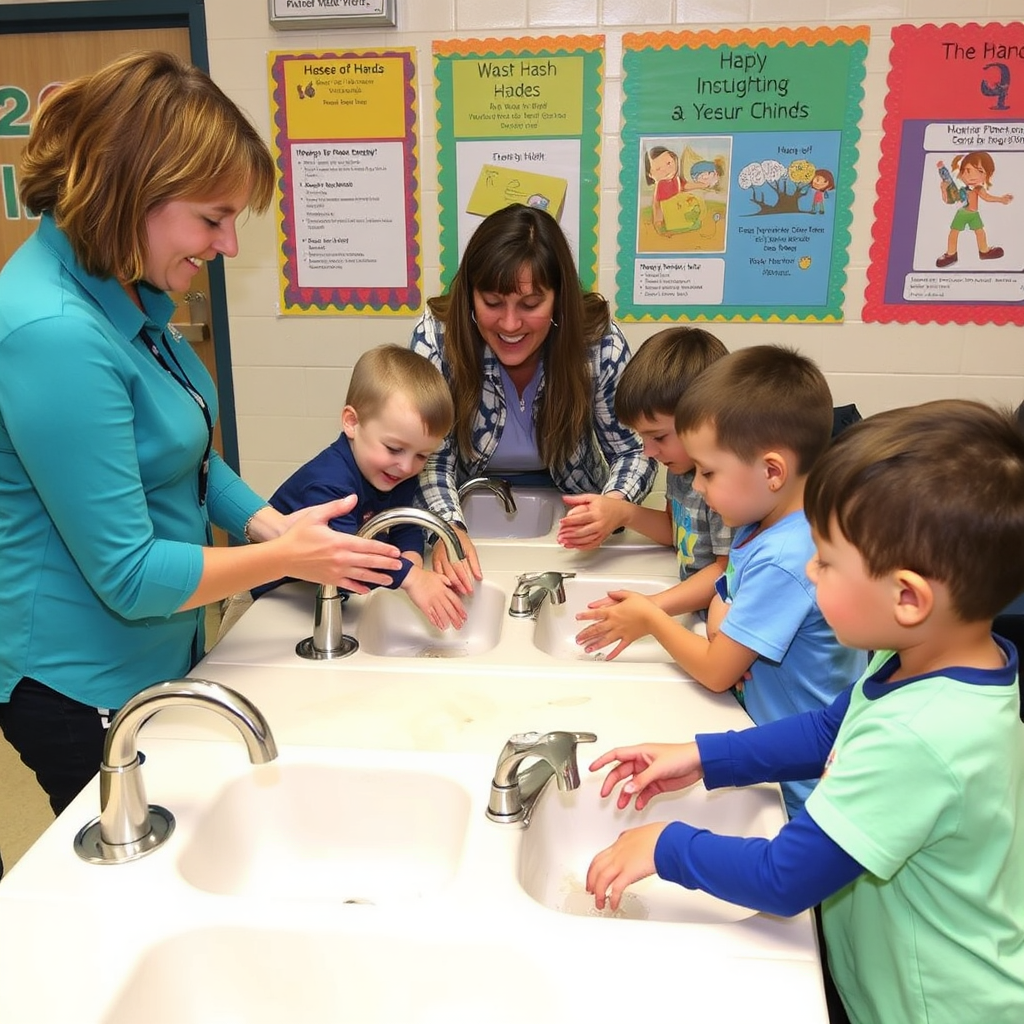
Healthy Routines and Self-Care Skills
Teach independence through handwashing, dressing, snack routines, and cleanup with simple prompts and visual checklists. Model steps and celebrate small successes. Common pitfalls: over-scaffolding. Benefits: stronger self-help skills, safety awareness, and smoother transitions. Next steps: display checklists at each center.
Storytimes and Language Immersion
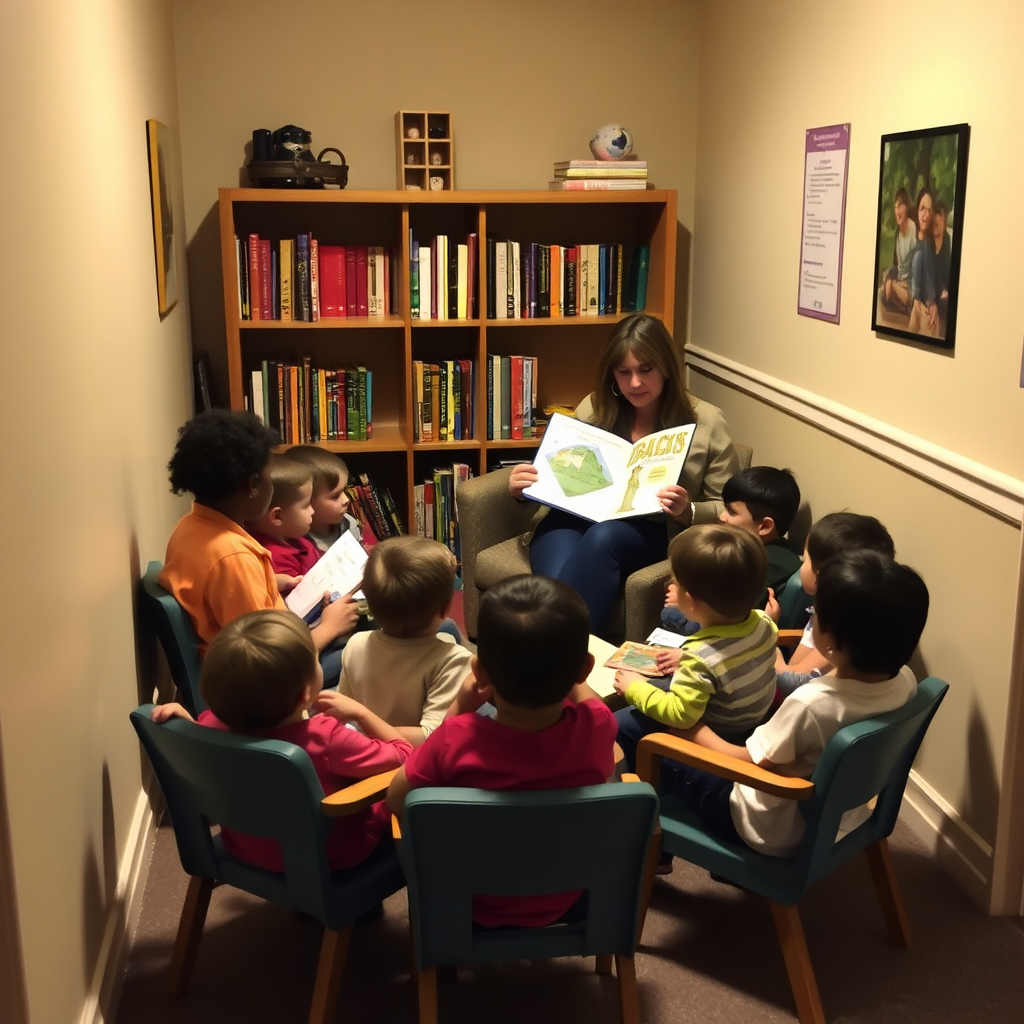
Incorporate daily read-alouds with interactive questions to build comprehension and vocabulary. Include diverse, inclusive literature. Pitfall: rushing through books. Benefits: richer narrative understanding and social conversations. Next steps: create a cozy reading nook and schedule regular read-aloud sessions.
engaging topic-based title for Enrollment, Safety, and Family Resources at Totz Daycare
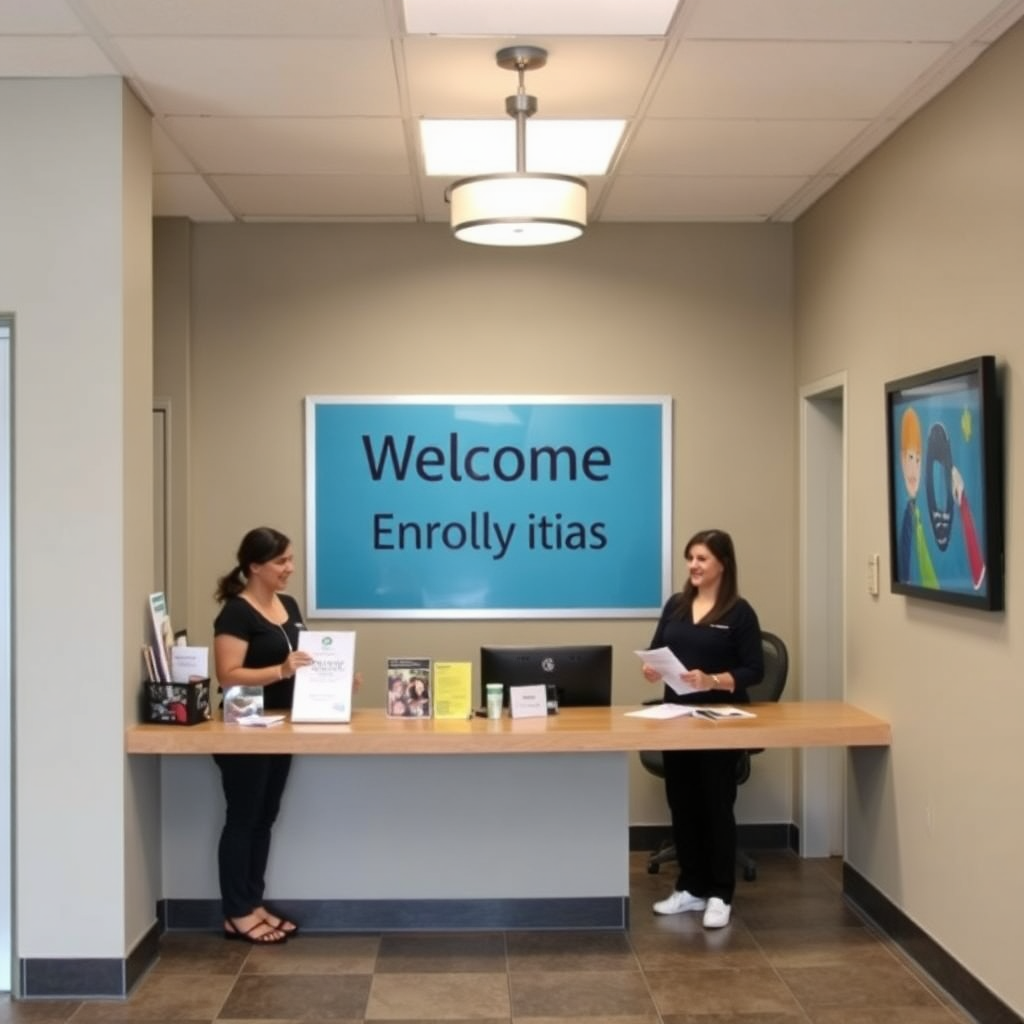
Clear checklists, online forms, and friendly intake interviews reduce family stress. Offer virtual tours and welcome packets. Pitfalls: duplicate paperwork and confusing requirements. Benefits: faster placement, greater trust, and smoother onboarding. Next steps: centralize forms online and provide an FAQ.
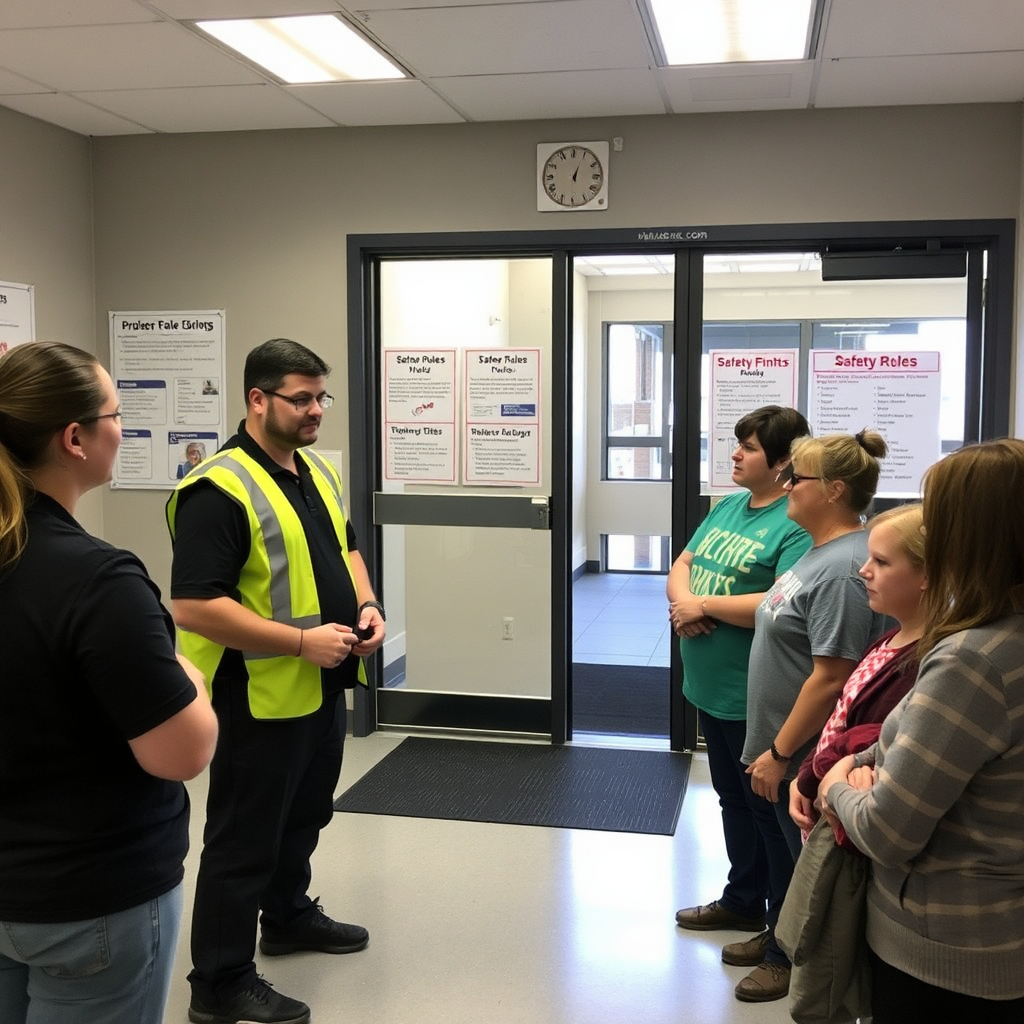
Outline security measures, drop-off/pick-up procedures, allergy management, and ratio guidelines. Provide easy-to-understand policies and incident reporting. Benefits: safer environment and parental peace of mind. Next steps: publish policies and train staff quarterly.
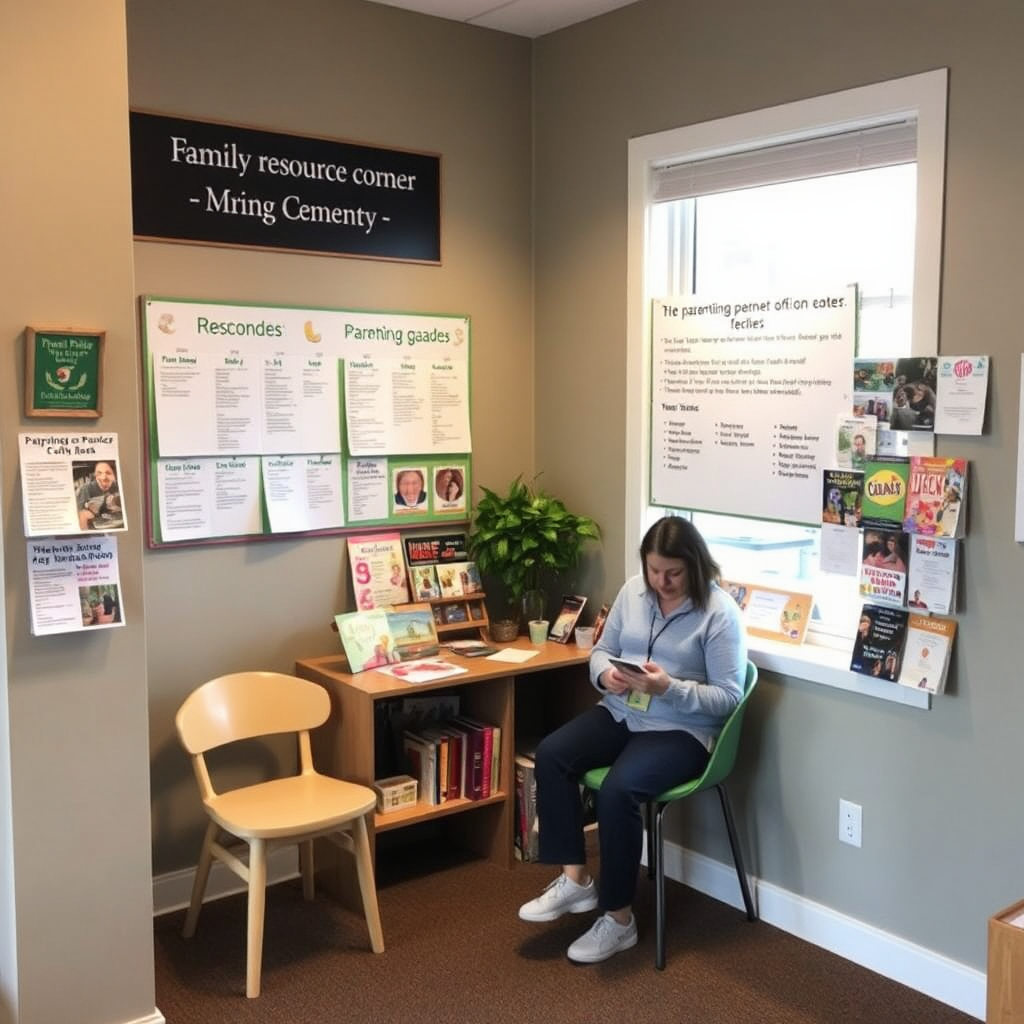
Provide parenting tips, developmental milestones, and community referrals. Host open houses and parent workshops. Benefits: stronger family engagement and home-daycare alignment. Next steps: build a resource library and schedule monthly sessions.
What Families Say

Totz Daycare helped our toddler settle in quickly; the daily routine is comforting, and the teachers keep us updated with warm, detailed notes. We have already seen improvements in language and social skills in just a few weeks.
Avery P., Parent

The staff are amazing, patient, kind, and incredibly knowledgeable. Our child loves Totz and comes home excited to share new words and games. It truly feels like a second family.
Chloe D., Parent

Reliable, welcoming, and transparent. We appreciate the safety standards and the engaging activities. Totz Daycare feels like an extended family where our child is encouraged to learn and grow every day.
Mason L., Parent